

The Five Main Areas of Child Development
As a child grows and develops, it’s important to understand how they learn and experience the world around them. Knowing these five characteristics of development are important for early childhood educators, child developers, or just parents. These types of developmental skills will be developed at their own pace, but it’s important to take note of certain developmental milestones.
Gross Motor Skills
Involving the large muscles in the arms, legs, and torso, gross motor development is essential for everyday physical development, from walking to picking up objects. By two years old it’s expected for a child to walk, and by three they should be able to climb, such as in a jungle gym. Physical activities are a great way to develop gross motor skills in a child:
Hula Hooping
Playing Hopscotch
Hiking on Uneven Terrain
Soccer
And many more. There are plenty of activities that toddlers can do to be active and get their gross motor skills developed. These early development skills need to be used but never pushed. A child needs to develop these skills at their own pace.
Fine Motor Skills
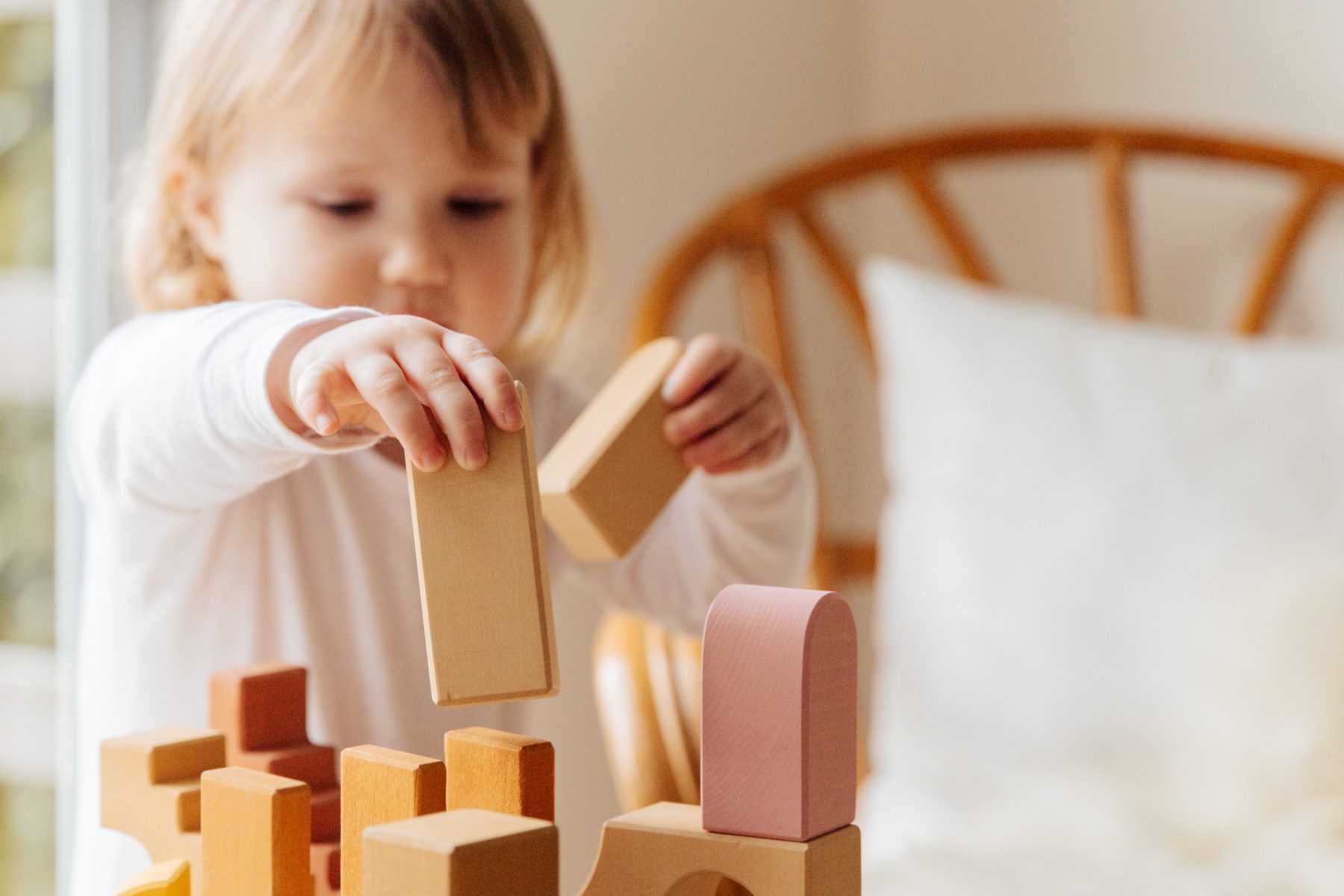
These relate to the small muscles in a child’s body, such as in the fingers or hand. Fine motor skills usually center around the ability to hold and manipulate objects, such as holding a pencil, drawing in a straight line, or firmly grasping a toy in their hand. Fine motor skills can be developed through a few different activities:
Play-dough
Painting
Making Pasta Necklaces
Puzzles
From feeding themselves to writing, fine motor skills are very important, along with the rest of these baby development areas. Developing fine motor skills will help children grow their self-esteem and confidence.
Speech and Language Skills
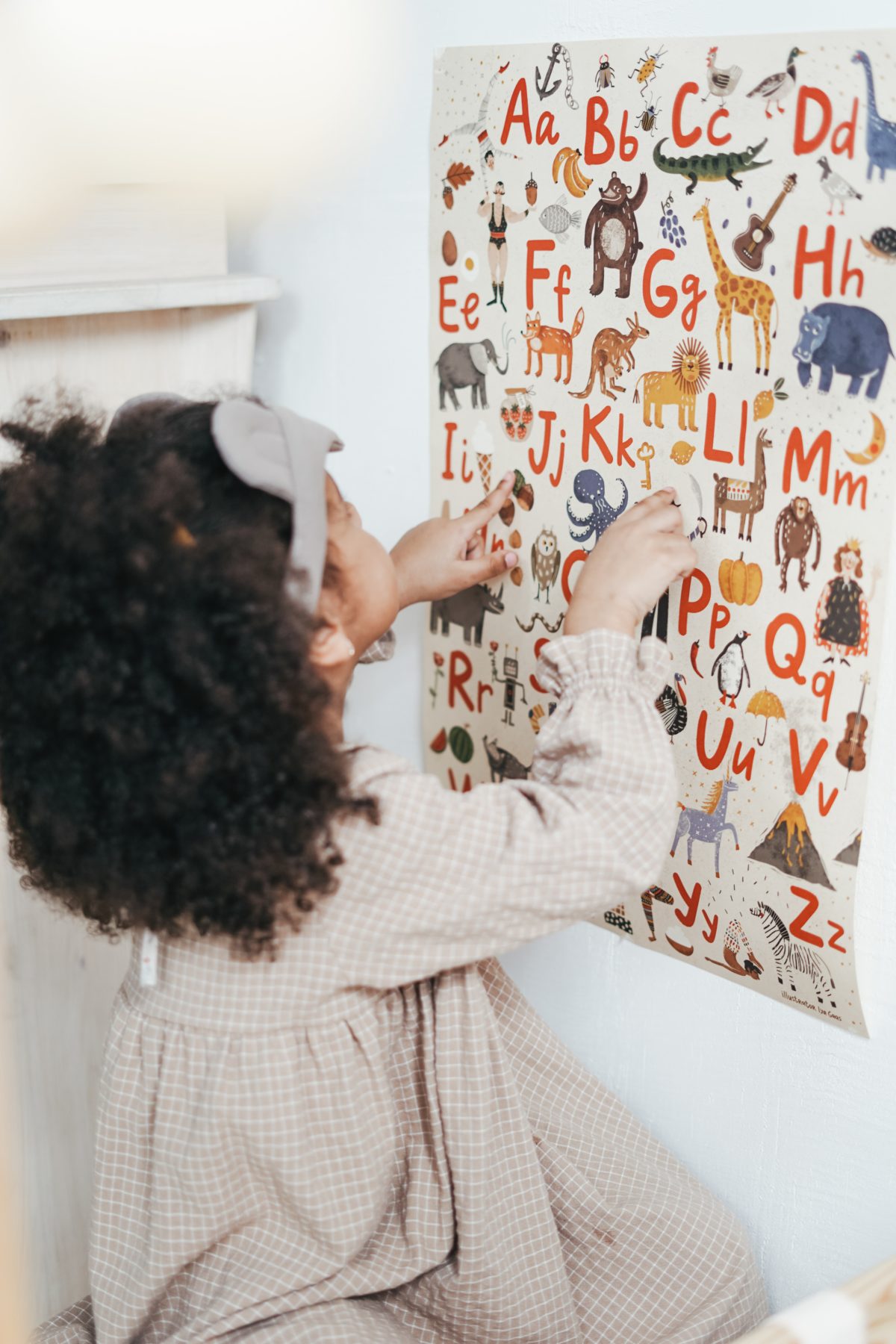
The ability to communicate with others, ranging from children their own age to parents, teachers, and other adults. These skills do not simply include speech and the words we use to communicate with one another, they also encompass the gestures and physical components we use to communicate with one another. Out of all the skills in children’s development, this is the one that requires the help of others. Activities that help develop speech and language skills focus on the community and interacting with others:
Being Responsive When Your Baby Makes Sounds
Play Peek-a-Boo
Have Your Baby Follow Along While Clapping Your Hands
Speak to Your Child in Clear and Simple Speech
Cognitive and Intellectual Skills
This skill focuses on a child’s ability to think and reason. This can center around memory, or their ability to process and compartmentalize information. Knowing specific memories or important details is what separates this skill from the rest of these early development skills. Activities that develop cognitive and intellectual skills focus on a few types of play:
Sing-a-longs
Have Them Identify Animal Sounds
Practice Counting
Ask Questions
Social and Emotional Skills
This is the skill essential for connecting with other people. Social and emotional skills help us balance our relationships with everybody, from friends and family to strangers. These baby development skills also center around processing your emotions and regulating your thoughts. Building social and emotional skills can be done in the home or at school:
Reading Stories
Puppet Shows
Talking Through Problems or Tantrums
Playing Pretend
Top Activities to Support Child Development
Supporting each area of development requires international activities. Here are ways parents and caregivers can encourage growth across the five main areas:
- Creative Play: Encourage imagination through arts, crafts, and pretend play to enhance cognitive and social skills.
- Music and Movement: Singing, dancing, and rhythm activities help motor development and coordination.
- Storytelling and Reading: Reading aloud improves language development and comprehension.
- Social Group Activities: Playdates, team games, and cooperative tasks promote social and emotional growth.
Signs Your Child is Developing Appropriately
Monitoring developmental milestones helps parents and educators understand a child’s progress. Key signs include:
- Motor Skills: Walking, running, drawing, and using utensils with increasing precision.
- Cognitive Skills: Problem solving, memory, and the ability to follow instructions.
- Language Skills: Expanding vocabulary, forming sentences, and effective communication.
- Social and Emotional Skills: Expressing feelings, forming friendships, and cooperating with others.
Careers in Child Development
For those interested in making a difference, studying child development opens doors to rewarding careers:
- Early Childhood Educator: Teaching and guiding young children in preschools and daycare programs.
- Child Psychologist: Supporting emotional, social, and cognitive development through therapy and assessment.
- Pediatric Therapist: Providing physical, occupational, or speech therapy to support motor and language skills.
- Child Development Specialist: Designing programs and interventions for healthy growth in educational or clinical settings.
How do Children Practice Their Skills in Children’s Development?
An early childhood educator, or somebody with a concentration in child development, is responsible for making sure children are properly learning, and is responsible for developing a child’s skills through play, making sure they have fun while they are absorbing crucial skills that will help them for the rest of their lives. Do you want to make a difference in the lives of children? St. Augustine’s Early Childhood Education Bachelor of Science degree offers advanced training in early childhood education and student teaching opportunities on a path to working as a teacher. Learn more about St. Augustine today.